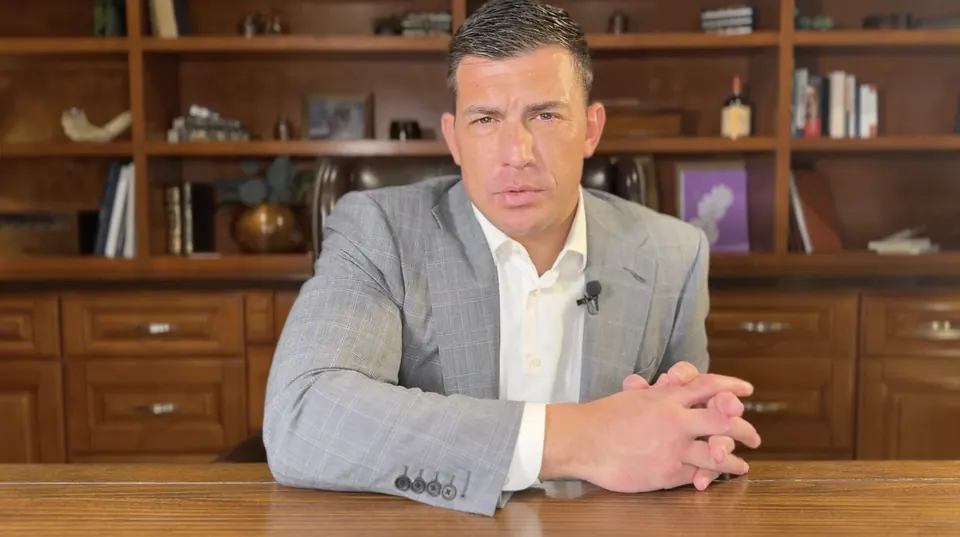








At Executive Treatment Solutions (ETS), we guide clients through informal diversion programs — an option that allows certain individuals to step outside the standard prosecution process and into a path focused on rehabilitation, responsibility, and personal growth. Instead of facing a conviction or jail time, participants work under structured oversight to prove accountability and progress.
24/7 Advocacy, Action, and Accountability When It Matters Most
Informal diversion is a legal option that allows certain defendants to step away from the traditional prosecution track and instead commit to a period of treatment, compliance, and oversight. Instead of facing an immediate conviction, the individual works through a supervised plan that emphasizes recovery and accountability over punishment.
This approach is often available in cases involving non-violent offenses, particularly when the underlying conduct can be tied to challenges like substance use, mental health struggles, or personal hardship. By choosing informal diversion, the court gives defendants the chance to take responsibility and demonstrate change without the lasting impact of a criminal record.
Plea agreements or jail time may close a case quickly, but they usually leave behind a permanent conviction that can follow someone for life — affecting employment, education, housing, and even immigration status.
Informal diversion, on the other hand, creates an opportunity to earn a dismissal or charge reduction once the program is completed successfully. It’s a structured path to show the court that rehabilitation is possible in a controlled, treatment-centered setting rather than behind bars.
At Executive Treatment Solutions (ETS), we work closely with defense attorneys to document every step of progress, ensuring judges see credible evidence of genuine rehabilitation.
Informal diversion should never be mistaken for an “easy way out.” It’s a serious commitment that requires effort, structure, and ongoing accountability. Participants are expected to:
At ETS, we handle the coordination, reporting, and communication between providers, attorneys, and the court. This ensures the process stays organized and credible — allowing clients to stay focused on treatment and personal growth.
Who Qualifies — And Why It Matters
Informal diversion is typically an option for individuals charged with non-violent offenses where the underlying behavior can be linked to issues such as addiction, mental health challenges, or other personal difficulties. Courts look at the specific charges, the individual’s background, and their readiness to participate in treatment when deciding eligibility.
This pathway is best suited for defendants who are motivated to take responsibility, follow court-ordered conditions, and show progress through counseling, education, or recovery programs.
Informal diversion is often available when substance use is at the root of the conduct. Courts frequently favor treatment in these cases, recognizing recovery as a more effective solution than punishment.
Examples may include:
Some DUI cases rise to a felony level due to repeat arrests or aggravating factors. When alcohol dependency is the driving issue, informal diversion may be an option to focus on treatment instead of incarceration.
Indicators of eligibility include:
Under California Penal Code § 1001.36, defendants whose behavior is tied to untreated mental illness may qualify for diversion. This includes many veterans whose criminal conduct is connected to trauma-related challenges.
Conditions often considered:
For some, informal diversion can serve as a second chance when probation violations are the result of relapse, missed appointments, or treatment setbacks. Instead of harsher penalties, the court may allow participation in structured rehabilitation.
ETS helps by:
Non-violent property offenses may qualify for diversion when linked to financial stress or substance dependency rather than criminal intent.
ETS strengthens these cases by:
Diversion may also apply in non-violent financial cases, particularly for first-time or low-risk defendants who are willing to engage in treatment or restitution.
ETS supports these cases by:
Be Cautious
Not every case can move forward under informal diversion. Serious offenses — such as violent crimes, sex-related charges, or those involving organized gang activity — are generally excluded from consideration.
That said, many individuals facing non-violent charges are often eligible but unaware of this option until their case is carefully reviewed. At Executive Treatment Solutions (ETS), we partner closely with defense counsel to assess eligibility, assemble supporting documentation, and show the court consistent compliance to give clients the best possible opportunity for acceptance.
We’re Part of Your Defense Strategy
At Executive Treatment Solutions (ETS), we don’t just point clients toward programs — we build the foundation that persuades the court informal diversion is the appropriate path forward. With clinical assessments, compliance tracking, and verified progress updates, we supply the kind of credible proof judges look for when determining eligibility.
Working in close partnership with your defense attorney, we align all documentation and treatment records to support a cohesive, court-ready case that shows why rehabilitation, not punishment, is the most effective outcome.
ETS begins each informal diversion case with in-depth evaluations to identify the underlying issues that may have influenced the offense — such as addiction, stress, trauma, or untreated mental health conditions. These reviews provide the court with a clear picture of why treatment is a more appropriate option than punishment.
Judges expect verifiable proof of compliance, not just promises of improvement. ETS prepares detailed treatment outlines, therapist updates, and confirmed testing records in a format the court can rely on. This evidence reinforces accountability and strengthens your case for diversion.
From day one, our team works hand-in-hand with your defense attorney. By coordinating documentation, timelines, and program updates, ETS ensures your legal strategy and your treatment progress form a unified presentation to the court.
Diversion decisions often rest on how well a defendant’s story is presented. ETS helps shape a rehabilitation narrative that shows the court you’re not defined by a single mistake — but by the meaningful steps you’re taking to turn your life around through treatment and responsibility.
A Path Forward — If You’re Willing to Do the Work
Joining an informal diversion program is not a way to avoid responsibility — it’s an opportunity to demonstrate accountability and growth outside of the traditional court process. Instead of moving straight to conviction, participants work under a structured plan of treatment and oversight designed to show progress and rehabilitation.
Most informal diversion programs last anywhere from one to two years, though some cases may be resolved sooner if the participant consistently meets requirements. In certain situations, the court may extend the program to allow for additional treatment or compliance.
Enrollment in an informal diversion program only begins once the court signs off on eligibility. Judges typically consider factors such as:
Acceptance into informal diversion comes with strict conditions that must be followed carefully to remain in the program. These often include:
Success in informal diversion depends on showing steady progress over time. This is usually demonstrated through:
Not Every Felony Is Disqualifying — Many Are Eligible
In California, judges are often open to granting informal diversion in cases involving non-violent offenses, particularly when the individual shows a willingness to engage in treatment and comply with court-ordered conditions. Examples include:
Drug Possession (Felony or Misdemeanor Level)
Covers narcotics, prescription medications, or other controlled substances intended for personal use.
Theft-Related Crimes
Non-violent property offenses that exceed the felony threshold (typically $950 in California) or first-time theft cases.
Non-Violent Fraud
Matters such as misuse of benefits, credit card fraud, or insurance-related schemes that don’t involve threats or physical harm.
Forgery & Check Violations
Charges tied to forged documents, altered checks, or identity-based offenses without violence.
Offenses Connected to Mental Health
Cases where the unlawful conduct stems from untreated psychiatric conditions or trauma.
Certain DUI Offenses
Repeat or aggravated DUI charges — when they did not result in serious injury or death — may be considered depending on the facts and the court’s discretion.
FAQs
Formal diversion is a court-approved program with structured oversight, progress reporting, and set conditions that must be met over a defined period (often 12–24 months). Informal diversion, on the other hand, is typically less rigid and may be granted at the discretion of the court for certain non-violent offenses, often involving shorter timeframes and fewer formal requirements. Both are designed to help defendants avoid a conviction by demonstrating accountability and rehabilitation.
Informal diversion is a legal option that allows eligible defendants to resolve their case without a conviction by completing specific conditions set by the court. These conditions may include counseling, education classes, community service, or compliance with treatment, depending on the nature of the offense. Successful completion usually results in charges being dismissed.
No. A diversion program is not the same as a plea deal. With a plea agreement, the defendant pleads guilty or no contest and receives a conviction that remains on record. With diversion, the defendant typically enters a treatment or compliance plan without pleading guilty, and upon completion, the charges may be reduced or dismissed — leaving no conviction.
In most cases, travel is restricted during a diversion program unless you have advance permission from the court or supervising authority. Whether travel is allowed depends on the terms of your diversion agreement and the judge overseeing your case. ETS helps clients coordinate documentation and requests to ensure compliance with all travel-related restrictions.
The requirements of a diversion program depend on the case, but common conditions include:
Attending treatment or counseling sessions
Completing drug or alcohol testing
Participating in education or skills classes
Avoiding new arrests or violations
Providing progress documentation to the court
These steps are designed to show accountability and commitment to rehabilitation in exchange for avoiding a conviction.
Don’t wait until it’s too late.
Book your free 15-minute consultation today
100% confidential. No obligation. Available nationwide.